Home/Destinations/Siwa & Bahria Oasis
Six hundred kilometres west of Cairo, deep in the Sahara, two oases hold some of Egypt's most extraordinary secrets. Siwa was where Alexander the Great was declared a god. Bahria harbours a valley of golden mummies. Between them: the most complete silence on earth.
In 331 BCE, Alexander the Great made a 300km detour across the Sahara to consult the Oracle of Amun at Siwa. What the oracle told him, he never revealed to anyone.
Siwa is unlike anywhere else in Egypt. Its people speak Siwi, a Berber language unrelated to Arabic. Their traditions — the aghurmi rock citadel, the festival of Siyaha, the silver jewellery, the embroidered dresses — developed in near-complete isolation from the Nile Valley.
Bahria Oasis, 370km from Cairo, is an easier but equally rewarding destination. In 1996, a donkey stumbled into a tomb and revealed a necropolis of Graeco-Roman mummies sheathed in gold leaf — the Valley of the Golden Mummies. Hundreds more lie undiscovered.
The temple of Amun at Aghurmi is established. Its oracle becomes famous throughout the ancient Mediterranean — consulted by Persian kings, Greek generals, and eventually Alexander himself.
The Persian King Cambyses sends a 50,000-man army to destroy the Oracle at Siwa. The army vanishes in the Sahara. Its fate remains one of history's greatest unsolved mysteries.
Alexander the Great crosses the Sahara specifically to visit the Oracle. The priests address him as “son of Amun” — a declaration of divinity that shapes his self-image and his claim to divine rule over Egypt.
Arab tribes bring Islam to Siwa. The oasis maintains its distinct Berber character and language while adopting the new faith, creating the syncretic Siwan culture that persists today.
The Egyptian ruler formally annexes Siwa, ending centuries of complete independence. The Siwans resist several times before accepting integration into the Egyptian state.
A donkey falls into a tomb near Bahria Oasis, revealing the most important Graeco-Roman necropolis ever found. Over 250 golden mummies are recovered. Thousands more are estimated to remain underground.
01
02
03
04
05
06
07
08“Siwa is the place where time has gone somewhere else entirely.”Paul Theroux — Writer
Desert climate with dramatic temperature variation. Summers are extreme; winters are the destination's prime season.
October through March is the only window. January nights in Siwa can drop to 5°C — bring layers. Days are crisp and clear at 18–20°C, perfect for desert exploration. The stars at night, with zero light pollution, are extraordinary.
Siwa's signature dish is a clay-pot tagine of lamb or goat slow-cooked with preserved lemons, olives, dates and Siwan olive oil over embers for hours. The Siwan olive groves are among Egypt's oldest — their oil has a distinctly peppery, grassy character that defines this dish.
Adrere Amellal Ecolodge, SiwaSiwa produces at least 30 distinct date varieties. The Frehi and Azzawi are the finest — caramel-soft, intensely sweet, eaten fresh off the tree in autumn or dry year-round. A true Siwan host will bring a plate of mixed dates as the first act of hospitality.
Siwa Town marketThe Siwan flatbread, made with date-palm yeast and baked in a clay oven. Slightly sour, with a dense, chewy crumb. Eaten with Siwan olive oil and white salt-lake salt — a taste that is as ancient as the oasis itself.
Traditional homes and local bakeriesA Siwan composition of fresh tomato, cucumber, onion, green chilli and local olives dressed with Siwan olive oil and date vinegar. Simple, vivid, perfect — the freshness of the vegetables from Siwa's spring-fed gardens makes it taste completely different from anything in the cities.
Siwa Town restaurantsA Siwan soup of green wheat (freekeh) slow-cooked in lamb broth with onion, coriander and a whisper of cinnamon. Thick, smoky, deeply nourishing — it is the desert soup: built to warm you after cold nights in the sand.
Local family restaurants, Siwa TownNot the standard sesame halawa but a Siwan confection of date paste, ground peanuts and honey, pressed into dense, crumbly slabs. Sold at the market by weight, wrapped in palm leaves. An ancient desert energy food that doubles as the finest souvenir.
Siwa Town market stallsThe Siwan people are Berbers. Their language (Siwi) is a Tamazight dialect and their traditions — clothing, music, festivals, architecture — are entirely distinct from Arab Egypt. Approach with curiosity and respect: you are guests in a culture far older than Egypt's modern history.
Siwa's most important festival, held annually around October, brings Siwan men together for three days of singing, feasting and reconciliation of disputes. Outsiders are welcome to observe. The drumming at night, heard across the silent oasis, is extraordinary.
Siwa is significantly more conservative than Cairo. Women should cover arms and legs at all times in public. Swimwear is appropriate only at designated bathing spots. Photographing Siwan women is not permitted without explicit consent.
By road: 8–9 hours from Cairo by bus (West Delta company from Turgoman station) or private transfer. A domestic flight to Marsa Matruh (2.5 hours) followed by a 3-hour drive is faster. Allow 3–4 days minimum — Siwa rewards those who slow down.
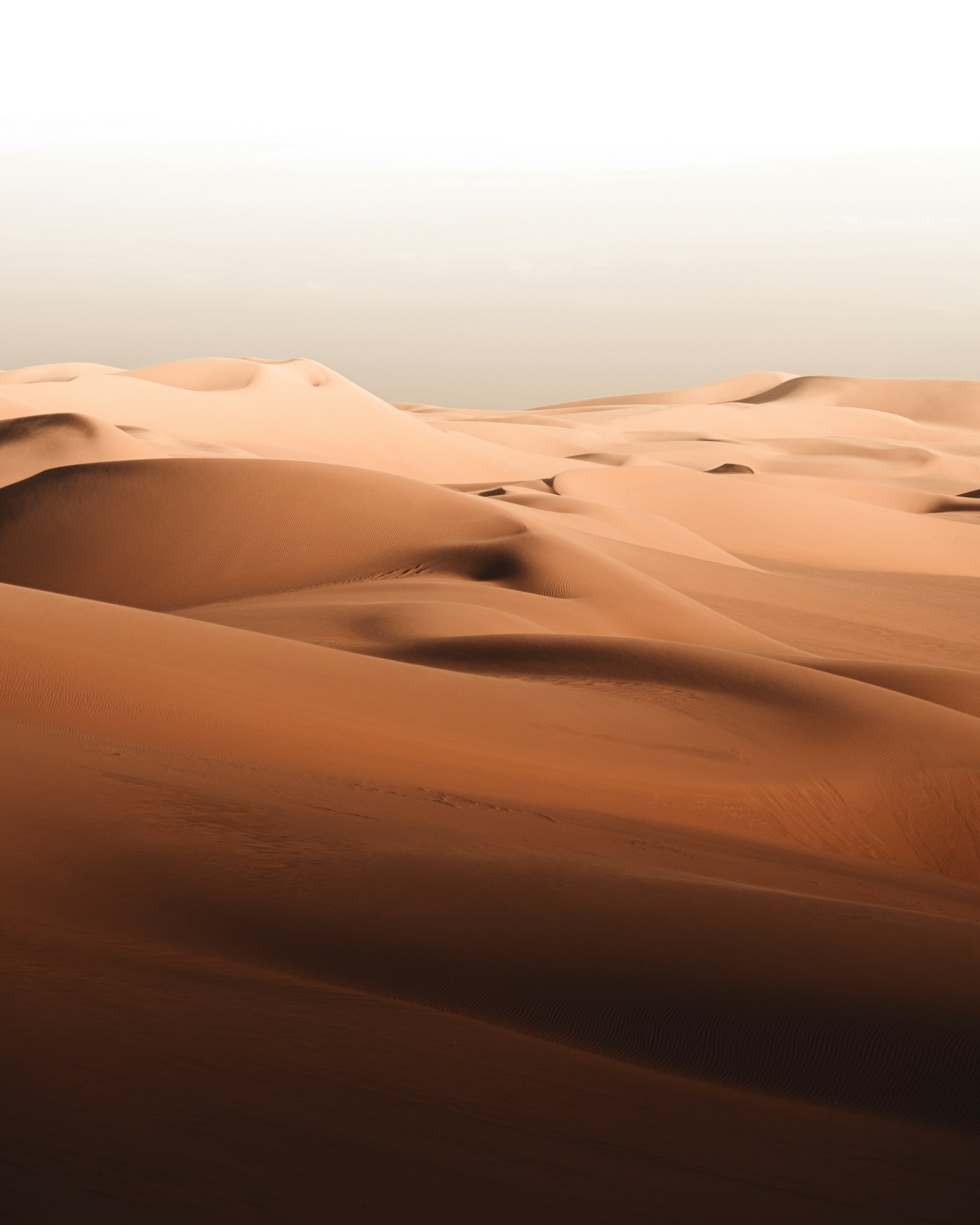
The Great Sand Sea photographs best in the first and last 90 minutes of daylight when the dune shadows are long and the light is red-gold. Midday in the desert is harsh. Protect your camera from sand: a sealed bag is essential.
Bahria Oasis is 370km from Cairo on the Alexandria Desert Road, making it feasible as a long day trip or better as an overnight. The White Desert — a landscape of extraordinary cream chalk formations sculpted by wind — is 45km beyond Bahria and unmissable.
Siwa sits 18 metres below sea level in a limestone depression 80km long and 20km wide. The depression has filled over millennia with fresh springs, salt lakes and date palms. This below-sea-level position creates a microclimate slightly cooler and more humid than the surrounding Sahara.
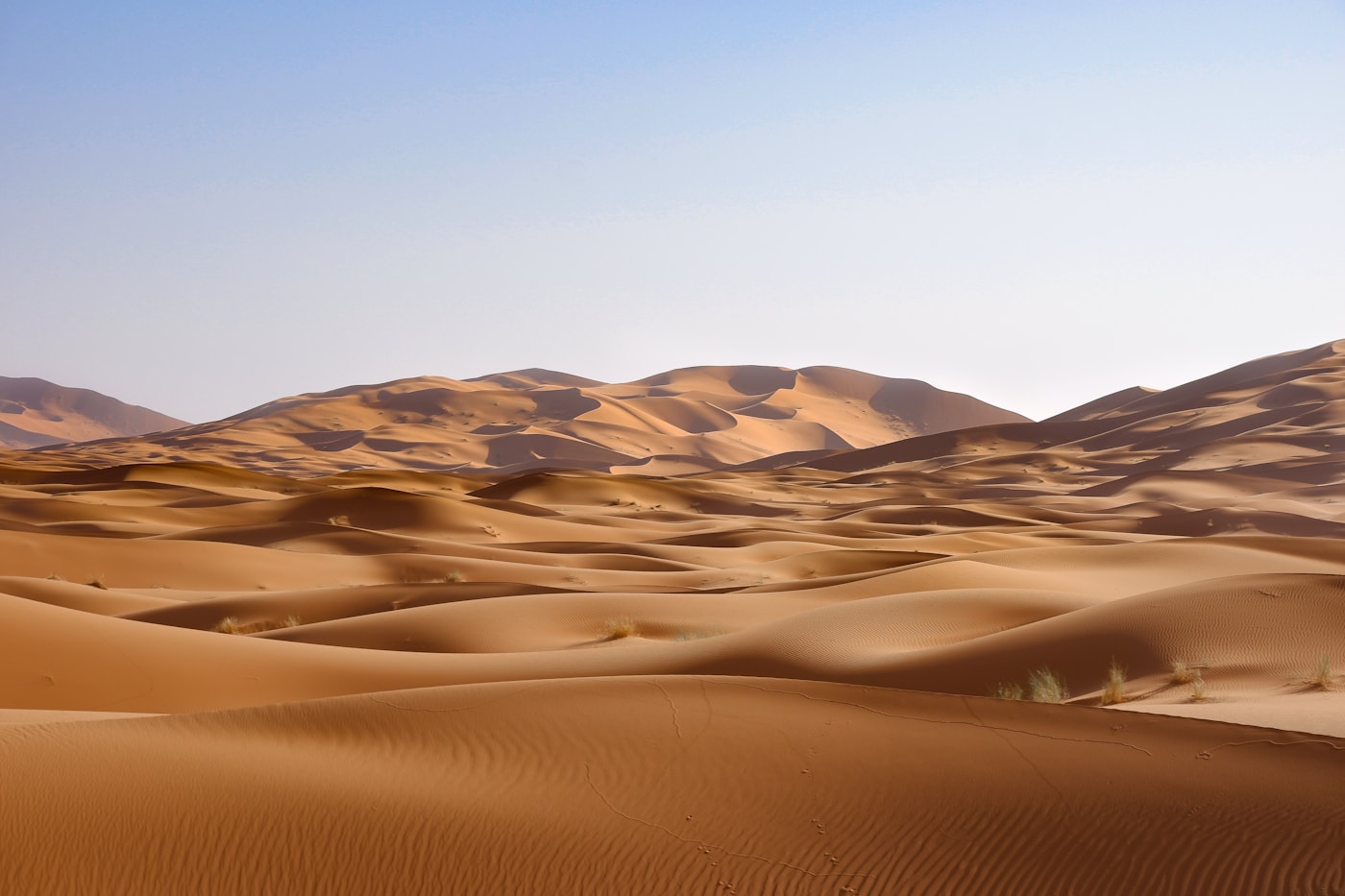
Siwa's western boundary is the Great Sand Sea, one of the largest sand seas on earth (150,000 km²). The dunes are self-renewing, driven by the prevailing north wind. The silence within them is complete — no city, no road, no human sound for hundreds of kilometres in every direction.
Bahria Oasis sits in a valley of multi-coloured rock — black basalt, white chalk, iron-red sandstone and crystal quartz. The landscape looks like a geological museum. The Black Desert and White Desert flanking the oasis are among Egypt's most photographed natural formations.
Our Siwa and Bahria itineraries go beyond the tourist trail: private dune dinners under the stars, dawn visits to the Oracle Temple, the salt lakes at sunset, and the Siwan olive groves that Alexander himself may have walked through.