Home/Destinations/Sharm El Sheikh
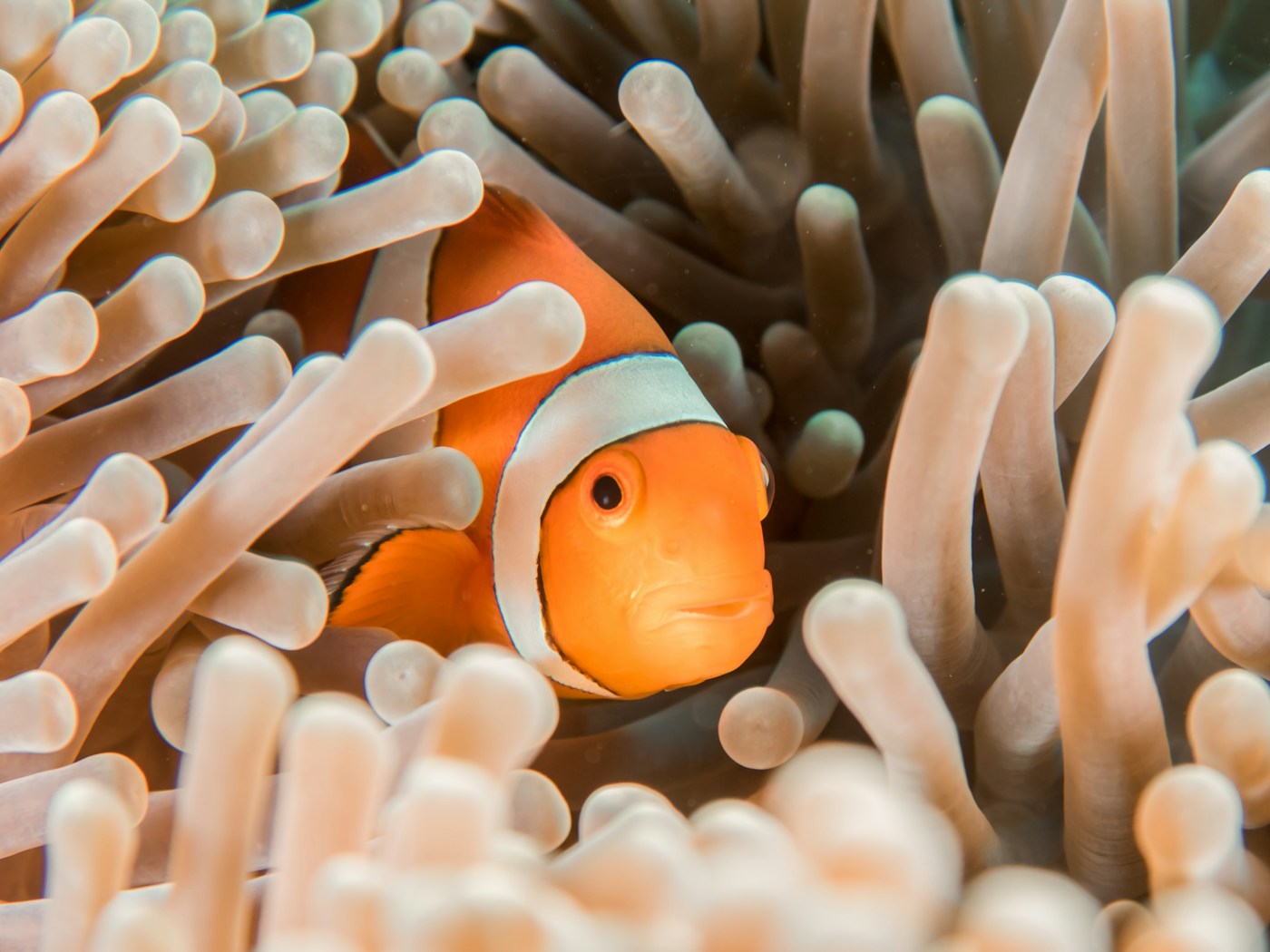
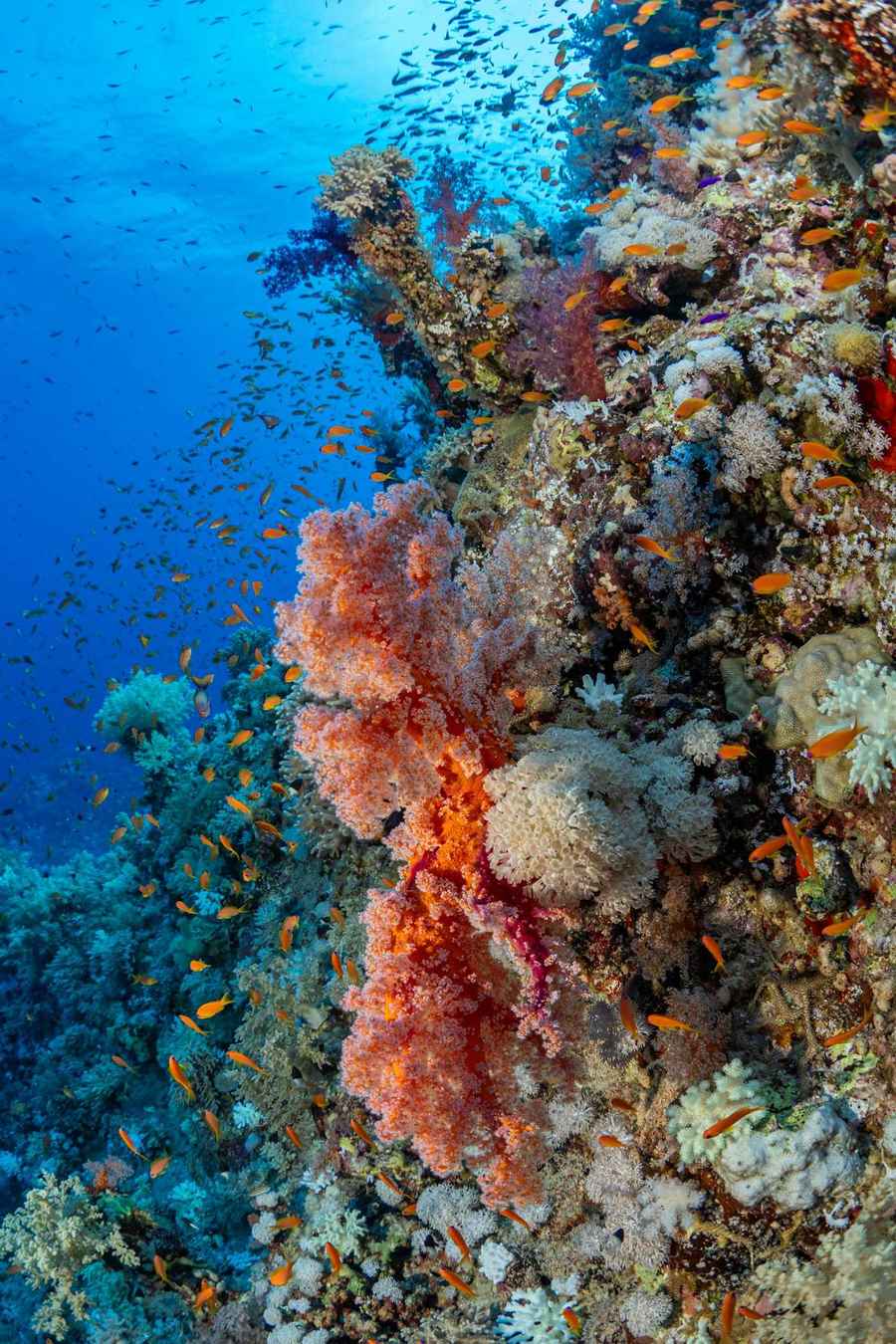
Where the Sinai mountains plunge into the Red Sea, one of the world's great dive destinations meets five-star luxury. Sharm El Sheikh combines the planet's finest coral reefs, the granite peaks that Moses walked, and a cosmopolitan resort town that has reinvented itself as the gateway to both.
Sharm El Sheikh occupies a geological drama: the Sinai granite descends in sheer pink cliffs directly into the most biodiverse water in the world.
Sharm El Sheikh developed as a resort from the 1980s under Egyptian administration (it had been under Israeli control from 1967 to 1982). Its position at the southern tip of the Sinai Peninsula, where the Gulf of Aqaba meets the Gulf of Suez, creates a unique marine environment: calm, warm, phenomenally clear water sheltering reefs that have had relatively limited human contact compared to the Mediterranean.
Beyond the reefs, the Sinai interior is extraordinary: the pink granite mountains of the St. Catherine Protectorate, the monastery that has been continuously inhabited since 565 CE, and the mountain that three of the world's major religions associate with the giving of the Ten Commandments.
The Exodus narrative places Moses on the granite peak now called Gebel Musa (Mount Sinai) to receive the Ten Commandments. Archaeologists debate the exact location, but the Sinai Peninsula has been the site of pilgrimage for three millennia as a result.
The Emperor Justinian orders a monastery built at the foot of Mount Sinai, on the site where tradition holds that Moses saw the Burning Bush. The monastery has been continuously inhabited for 1,460 years, surviving invasions by accumulating diplomatic protection from every power in the region.
Following the Six-Day War, Israel occupies the Sinai including Sharm El Sheikh (renamed Ofira). Israeli divers are the first to map and document the reefs systematically, recognising their extraordinary quality. The diving community they establish lays the foundation for Sharm's future.
Sinai is returned to Egypt under the Camp David Accords. Egyptian and international investment begins transforming Sharm from a small settlement into a resort destination.
International hotel chains arrive. Naama Bay develops as the resort's commercial heart. Sharm becomes one of the world's top dive destinations, attracting 1.5 million visitors annually by the late 1990s.
Sharm hosts multiple Middle East peace summits, earning it the nickname "City of Peace." Its international profile rises further, driving luxury hotel investment that transforms the coastline.
01
02
03
04
05
06
07
08"The reef at Ras Mohammed is not just beautiful. It is the model for what a protected marine ecosystem can become."Jean-Michel Cousteau — Oceanographer
November through February is peak season for good reason: warm days (20–26°C), calm seas, water temperature of 22–24°C, and crystalline visibility. March and April add warmth. For diving, visibility is best November to January when plankton blooms have cleared.
The Sinai Bedouin slow-cook lamb with dried apricots, raisins, onion and a blend of desert spices (coriander, cumin, cardamom, cinnamon) in a clay tagine buried in embers for hours. The meat collapses into sweet-savoury tenderness. Eaten in Bedouin camps with flatbread and fresh dates.
Bedouin camp dinners, desert beyond Naama BayNot a drink but a ceremony. Bedouin tea is black tea with fresh sage, fresh mint, dried herbs and sometimes dried flowers, boiled together and sweetened with sugar. Poured from a height to create froth. Given to every guest as an act of hospitality before any conversation begins.
Every Bedouin tent and many Sinai cafesThe Red Sea grouper, Sharm's finest fish, marinated in lemon, garlic, cumin and olive oil and grilled whole over charcoal. The flesh is white, dense and slightly sweet. Served with pickles, tahini and flatbread at the harbour restaurants of the Old Market.
Al-Fanar Restaurant, Ras Um SidA plate of mixed grilled Red Sea fish selected from the morning's catch: typically hamour, sea bream, red snapper and sultan ibrahim. Each is seasoned differently. The Sharm version uses heavier cumin and more dried chilli than Cairo's more delicate preparations.
Fish restaurants, Old MarketThe Sinai coastal version of Egypt's national dish uses macaroni, rice and lentils but tops them with a sharper, more chilli-forward tomato sauce and sometimes adds a fried egg. A Sharm-specific evolution served at the local workers' restaurants away from the resort strip.
Local restaurants, Old Market districtSugar cane juice, pressed to order, is Sharm's go-to street drink. The Old Market's juice sellers add a squeeze of lemon and a pinch of ginger. In the Sinai heat, a tall glass of cold aseer asab is a revelation.
Old Market juice stalls, any time of dayThe resort strip (Naama Bay, Sharks Bay, Ras Um Sid) operates under international norms — bikinis, alcohol, beach clubs. The Old Market (Sharm el-Sheikh town) is a conservative Egyptian environment. Moving between them requires dressing accordingly. The contrast is sharp and worth experiencing.
Sharm El Sheikh is the finest place in the world to learn to dive. Its calm, clear, warm water and abundant marine life make the PADI Open Water course an exceptional experience. Budget 4 days for the full certification. Emperor Divers, Camel Dive Club and Sinai Divers are the most respected operators.
The standard approach is to begin the hike at 2am from St. Catherine's Monastery, ascending via the camel path (3,750 Steps of Repentance for the steep alternative). Summit at dawn. Bring warm layers: the summit at 2,285m in winter can be near freezing. Return to Sharm for afternoon.
Diving at Ras Mohammed requires a national park entry fee, payable at the gate. Bring your dive certification card. The Shark Reef and Yolanda Reef dive is a 40-minute dive requiring Rescue Diver level at minimum. Plan to arrive early — boats queue for the mooring buoys in high season.
Spend at least one morning in the Old Market: the spice sellers, the Bedouin silver jewellers, the juice bars and the fish mongers. Prices are negotiable. Shisha at a local cafe in the Old Market costs a fraction of the resort price and the people-watching is incomparably better.
Sharm has no central hub: it is a collection of bays spread over 12km of coast. Taxis are the primary transport (agree price before entering). Resort shuttles connect the major bays. Renting a quad bike or buggy is the most fun way to move between beaches and is widely available.
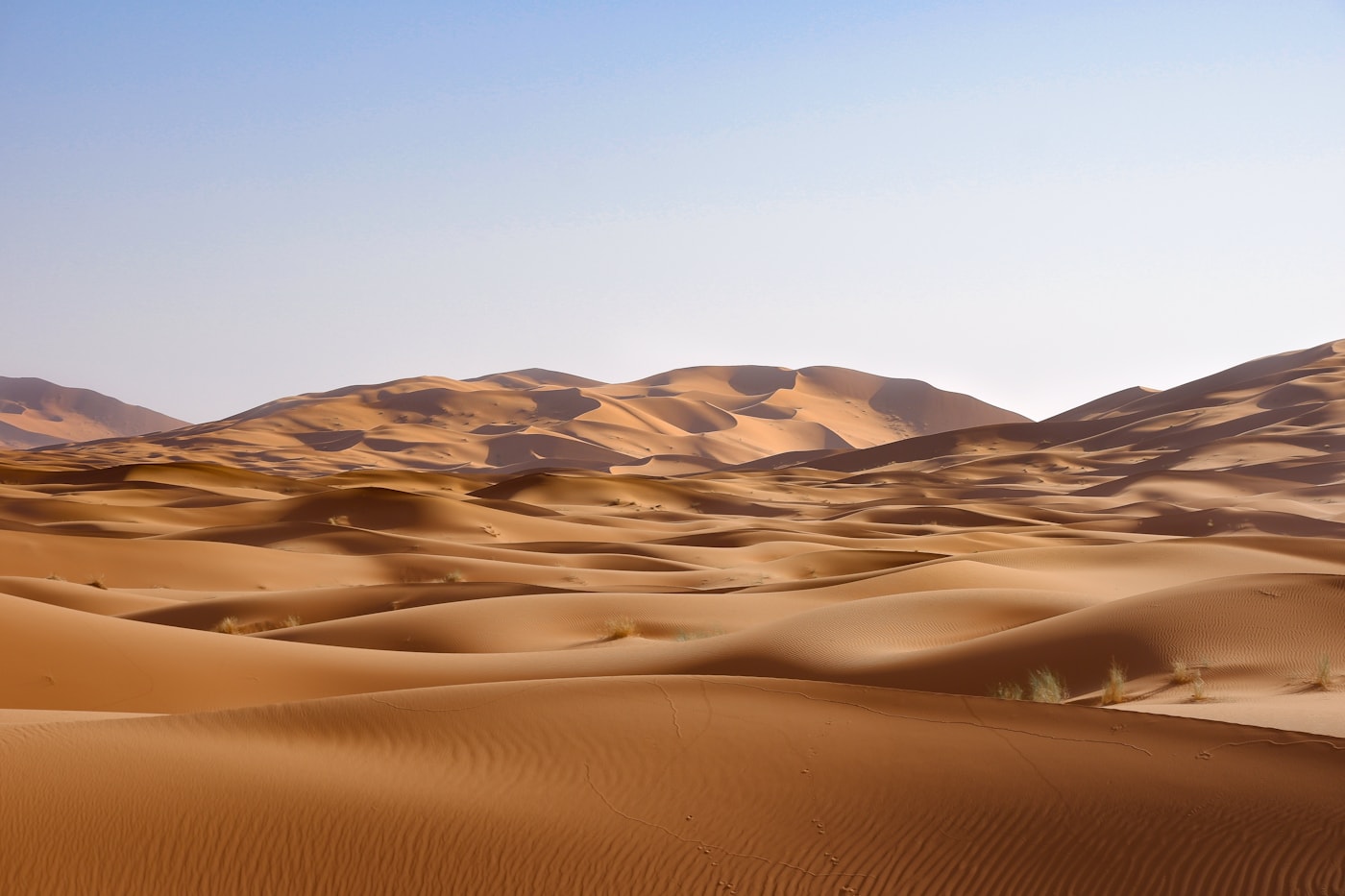
The Sinai Peninsula's southern half is composed of some of the oldest exposed rock on earth: pink and red Precambrian granite, 600 million years old, sculpted by millions of years of erosion into the dramatic mountain landscape that rises directly from the sea. The peaks reach 2,641 metres at Gebel Katherine.
Sharm sits at the mouth of the Gulf of Aqaba, a narrow, deep arm of the Red Sea stretching 160km to Eilat and Jordan. The gulf's confined geography creates strong tidal flows that deliver nutrients to the reefs, producing the exceptional biodiversity. Maximum depth in the Gulf: 1,850 metres.
The narrow passage between Tiran Island and the Sinai coast channels all traffic between the Gulf of Aqaba and the Red Sea. The currents created are powerful enough to make drift diving at the four Tiran reefs an exhilarating experience. The straits have strategic importance that made them a flash point in the 1967 Arab-Israeli War.
Our Sharm El Sheikh experiences combine the finest diving in the northern Red Sea with a dawn ascent of Mount Sinai, a private Bedouin desert camp under the stars, and the particular luxury of the Sinai coast done properly.